828-683-5400

171 Weaverville Rd, Asheville, nc 28804
contact us
Generally speaking, municipal water supplies in the Asheville and surrounding areas (aka "city water") are compliant with EPA drinking water standards and regulations however, we have many customers with city water. Why would water that's considered "safe" to drink need filtration? The short answer: aesthetics. The taste, smell, and feel of the water may not be pleasing to everyone.
In our office, we can test city water for chlorine and hardness. However, generally, it's not necessary to bring us a water sample on city water. Typically, we can make recommendations based on complaints and/or state certified lab test results.
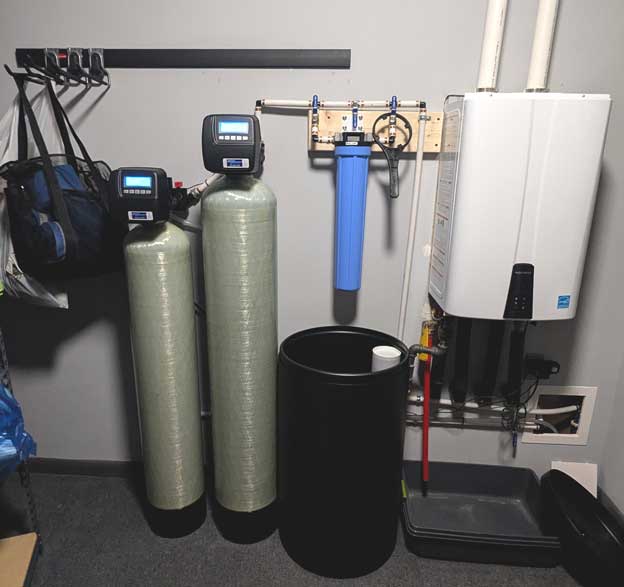
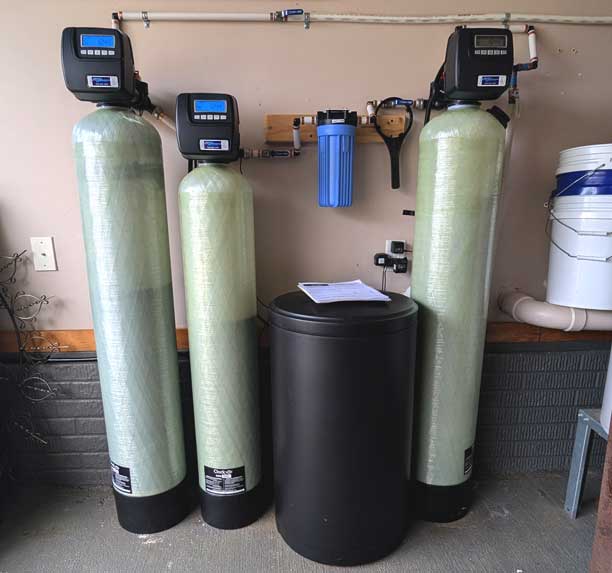
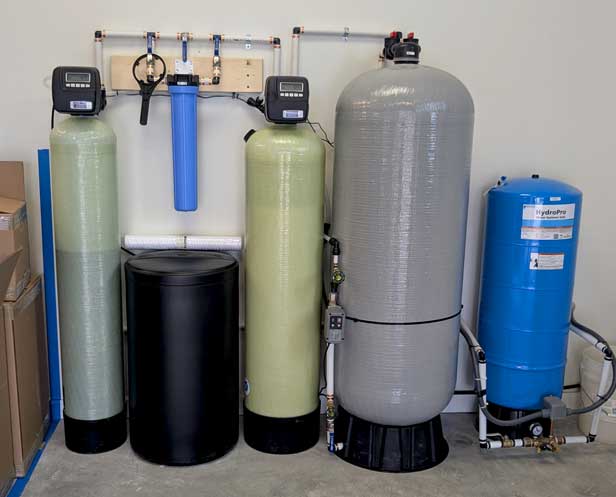
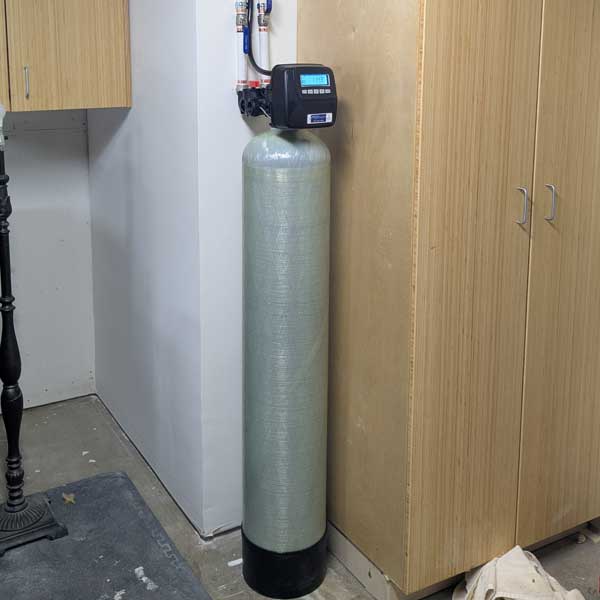
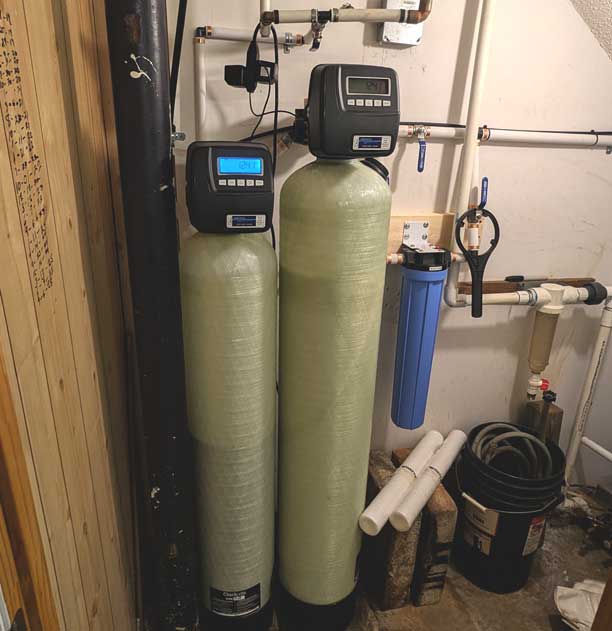
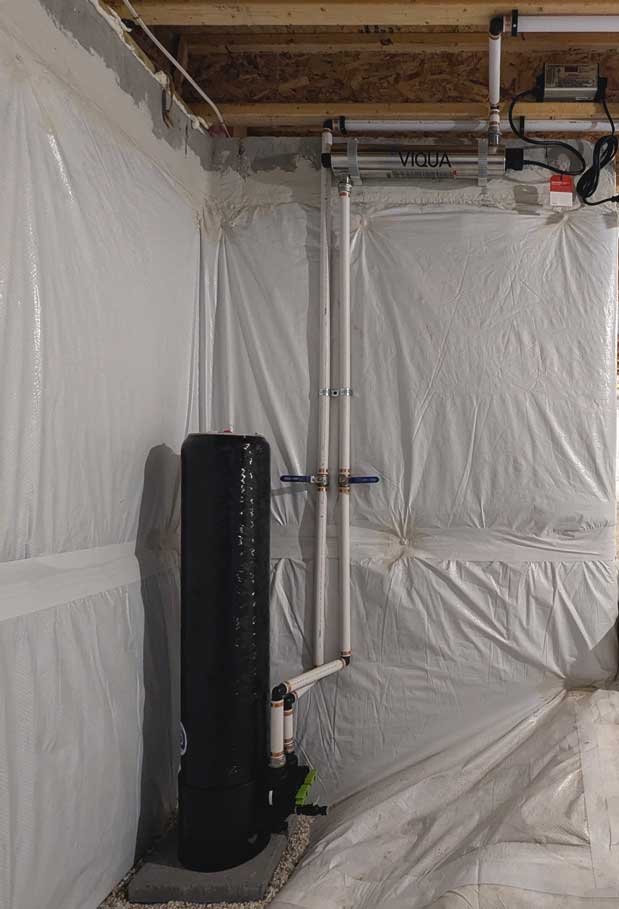
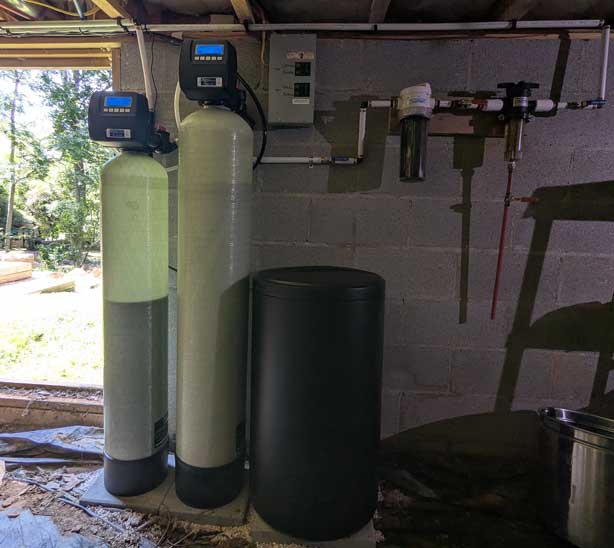
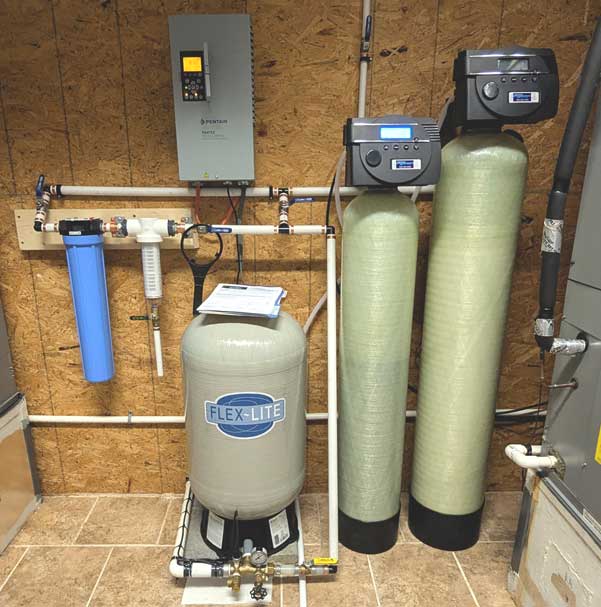
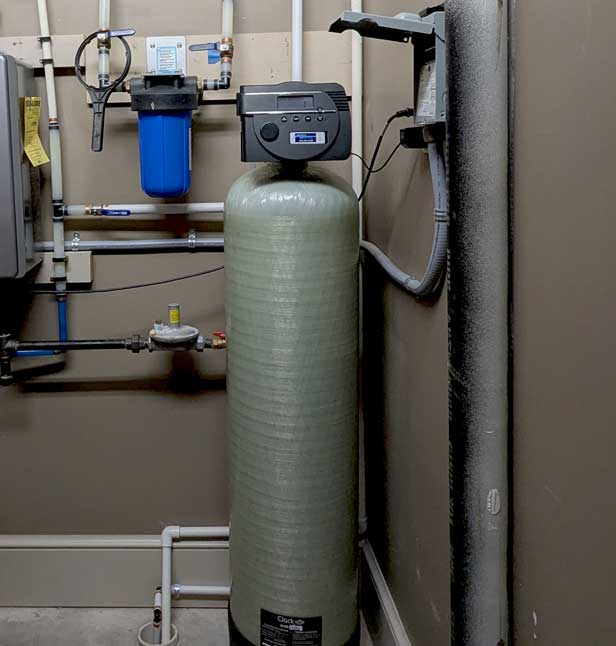
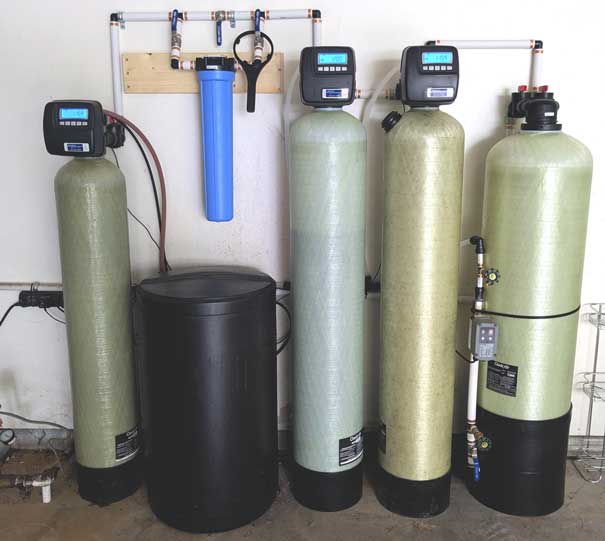
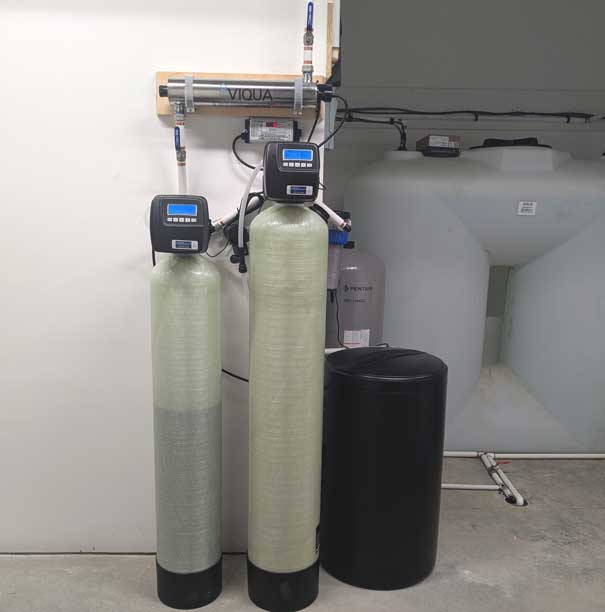
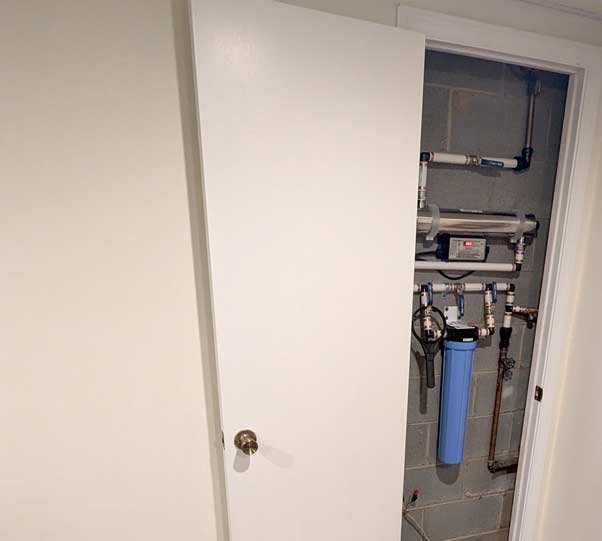
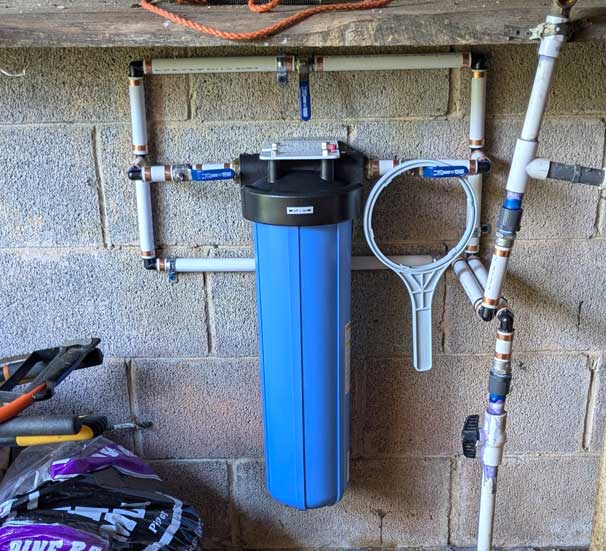
City water contains chlorine (most municipalities maintain a chlorine residual between 0.5 and 2.0 PPM) to ensure adequate secondary disinfection of the distribution system. Some people are used to the taste and odor of city water and don't notice the chlorine, many others do. Whole house carbon filters remove the chlorine after it enters the home, before it reaches the fixtures. If the taste, smell, and/or texture of your city water bothers you, we highly recommend a whole house carbon filter. Here are some of the complaints we hear from people on city water:
Water leaves them feeling "excessively dried out".
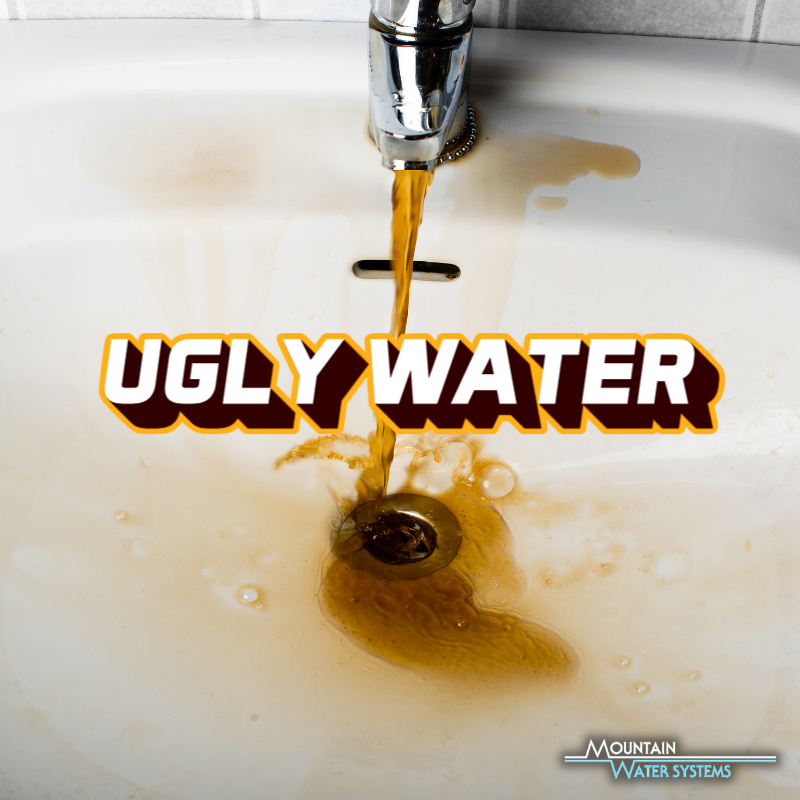
There is a chemical smell to the water.
There is a chemical taste to the water.
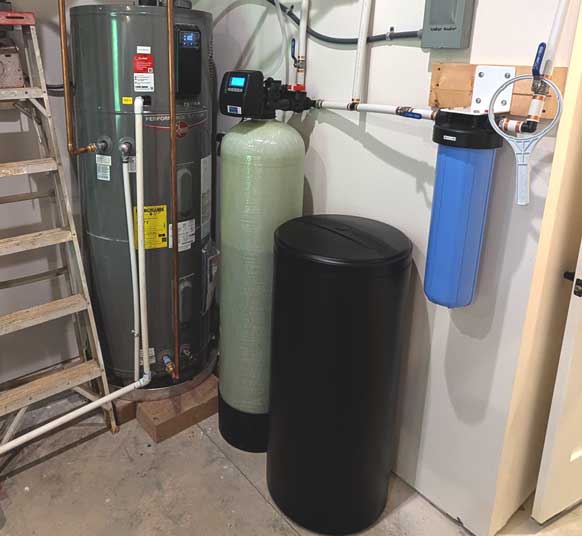
We have several customers who were accustomed to soft water (zero hardness) prior to being on city water. Although municipal water supplies in the area have low hardness (0-1.0 grains per gallon (GPG), we recommend a water softener for these customers.
This brings us to the question: Do I need to have my city water tested? The short answer: No. You shouldn't need to have your city water tested, as the water department is required to perform routine comprehensive testing of the water, but you can if you're curious or concerned with your particular water. We recommend having your water tested by a certified laboratory such as Pace Analytical Services (local), James & James Environmental Management, Inc (local) or watercheck.com (offers more comprehensive testing) for a better understanding of your water chemistry. For example, we have some customers with old copper plumbing and their water contained lead (a common contaminant in solder).
For information on your city's municipal water supply, we recommend reviewing their published Annual Water Quality Report.
For more examples of city water filtration concerns, feel free to check out our other blog posts: